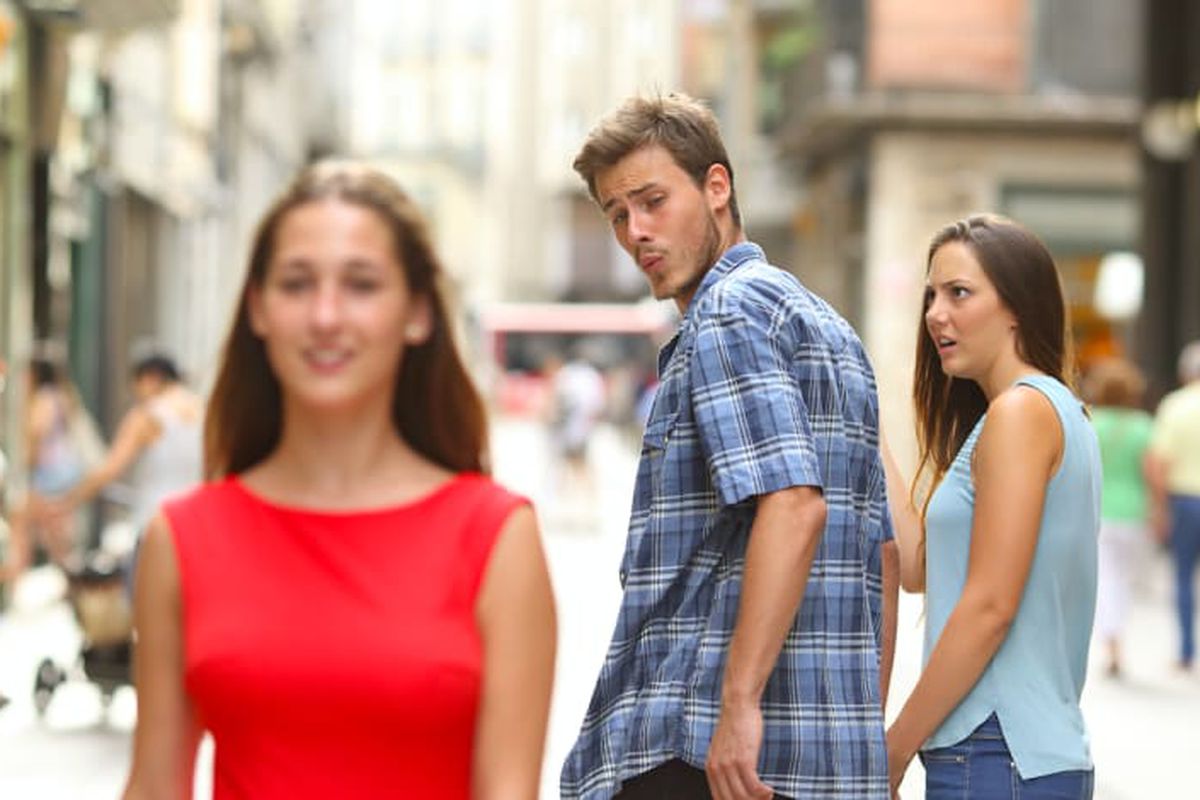
Doge. Distracted Boyfriend. Drakeposting. The internet keeps minting new currency in the form of memes, and most brands still don't know how to spend it.
Memes aren't just inside jokes — over 60% of people say they're more likely to engage with brands that use memes. The trick isn't being funny on demand; it's understanding the structural pieces that make a meme actually spread.
This post is a tour through what makes a meme work, when to remix vs invent, and seven concrete templates worth keeping in your back pocket.
What makes a meme spread
A meme is a tiny, copyable unit of culture. The successful ones almost always share three traits.
1. The template is instantly recognizable
You don't have to explain a Drake-pointing meme. The visual grammar carries the joke. The most reusable templates earn that recognizability through repetition until the format itself becomes the punchline.
Key takeaway: Lean on templates your audience already speaks. The image does the heavy lifting.
2. The feeling is precise
Memes are emotional shorthand for things that are awkward to say in plain language. "I knew this would happen but I'm going to keep doing it anyway." "I am politely losing my mind." The narrower the feeling, the wider the spread.
Key takeaway: A meme that vaguely means "this is funny" travels poorly. Aim for one specific emotion.
3. Remixing is effortless
If a meme requires Photoshop skills, only Photoshop people remix it. The all-time greats — Drake-pointing, Galaxy Brain, Distracted Boyfriend — have layouts so simple you can re-caption them in a notes app.
Key takeaway: If your meme needs a tutorial to remake, it isn't going to spread.
"Whoever controls the memes, controls the universe." — Elon Musk (allegedly)
Seven templates worth keeping in your back pocket
These templates have outlived their original cycles because they map cleanly onto almost any topic.
1. Drake Hotline Bling
Two stacked panels: rejecting the obvious choice on top, embracing the better choice on the bottom. Works for any "old way vs new way" comparison.
Key takeaway: Use it when you want to advocate for one option without making the other feel attacked.
2. Distracted Boyfriend
A man eyeing a passerby while his partner reacts. Three roles to label: the looker, the new shiny thing, the thing being abandoned.
Key takeaway: Perfect for trend chasing — naming the comfortable old habit that's getting ditched for hype.
3. Galaxy Brain (Expanding Brain)
Four stacked tiers, each labeled idea progressively more "enlightened." The joke lives in escalation: each tier is a slightly more unhinged version of the same core concept.
Key takeaway: Best for ironic takes where the "smartest" answer is also the most ridiculous.
4. Two Buttons
A sweating man hovering over two labeled buttons. The labels should be a paradox — both options sound necessary, neither is great.
Key takeaway: Use it to dramatize a real tension your audience lives with daily.
5. Woman Yelling at a Cat
A woman shouting paired with a confused cat at a dinner table. Label the woman with the loud opinion, the cat with the quiet, devastating reply.
Key takeaway: Great for any "online discourse" joke where one side is calmly winning.
6. They Don't Know
A character standing alone at a party, with thought-bubble text describing what the rest of the room doesn't realize about them. The format is melodramatic on purpose.
Key takeaway: Use it for niche pride — the small, weird thing your community quietly knows is great.
7. Mocking Spongebob
A Spongebob image with the caption written in alternating caps. The format mocks the very statement it's quoting.
Key takeaway: Strong when you want to push back on a piece of bad advice you're tired of hearing.
Building a meme that lasts longer than a week
The internet's attention span is short, but the cultural half-life of a meme is partly under your control.
Tie it to a recurring feeling
If your meme depends on a one-off news cycle, it expires with the news cycle. If it depends on a feeling people have every Monday morning, it has a year of legs.
Leave room for remix
A meme that's "finished" gets shared once. A meme with a clear template invites the audience to riff back. The remix is the marketing.
Show up consistently
Brands that nail meme marketing aren't witty once. They show up every week with timely, on-brand variations until their audience starts expecting it.
The best meme accounts feel less like a brand and more like a friend with a really specific sense of humor.
Closing thought
Memes look like silly low-effort content. The good ones are the opposite: dense, specific, and crafted to be remixed by people who don't owe you anything.
If you build a tool for making memes (hi, that's us), respect that craft. Make the canvas predictable, the templates abundant, and the export friction-free. The funny part is your audience's job.


